

RESEARCH
Indigenous Plant Medicine and the Muysca of Suba
Research Project at the Center for the Study of World Religions, Harvard Divinity School
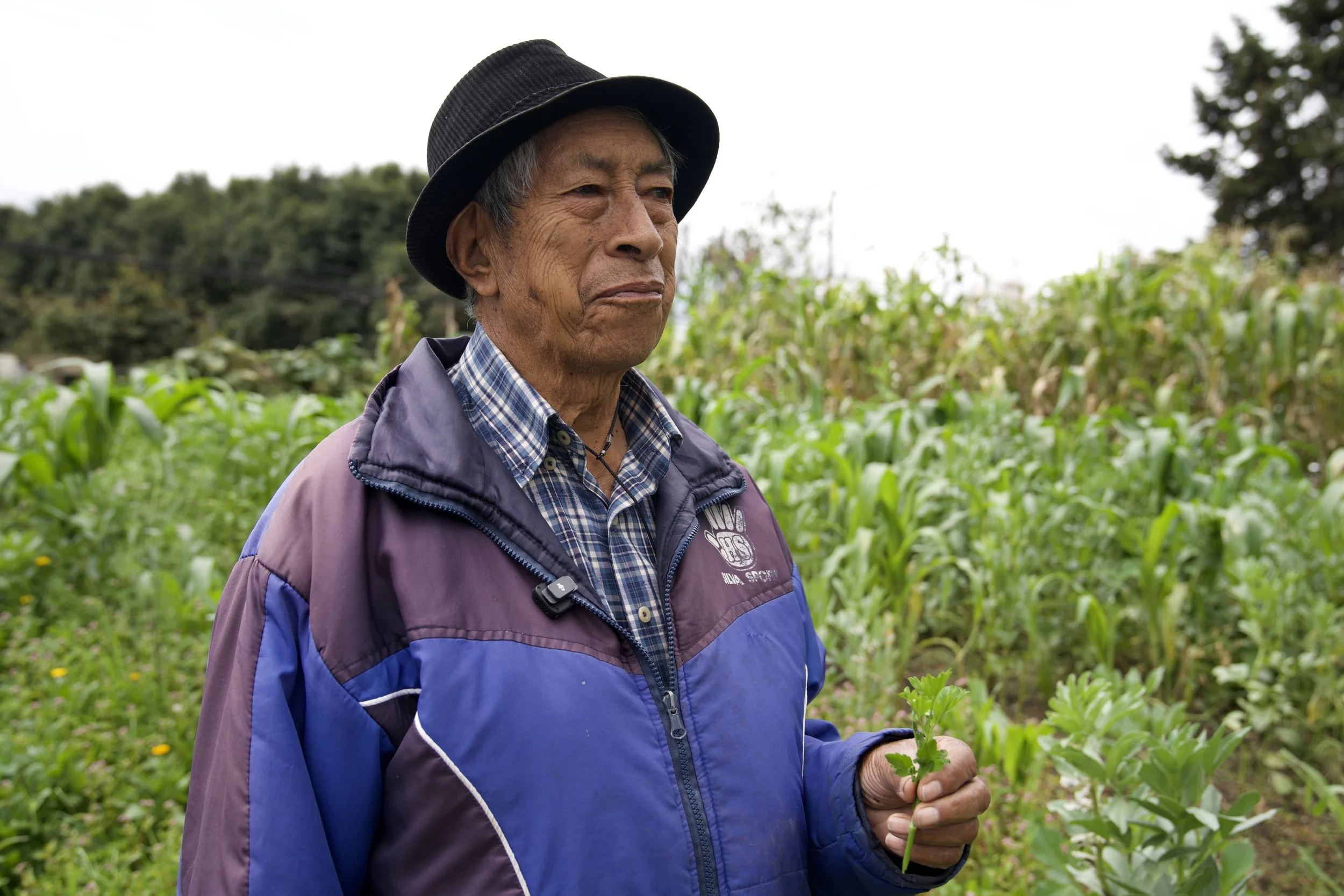
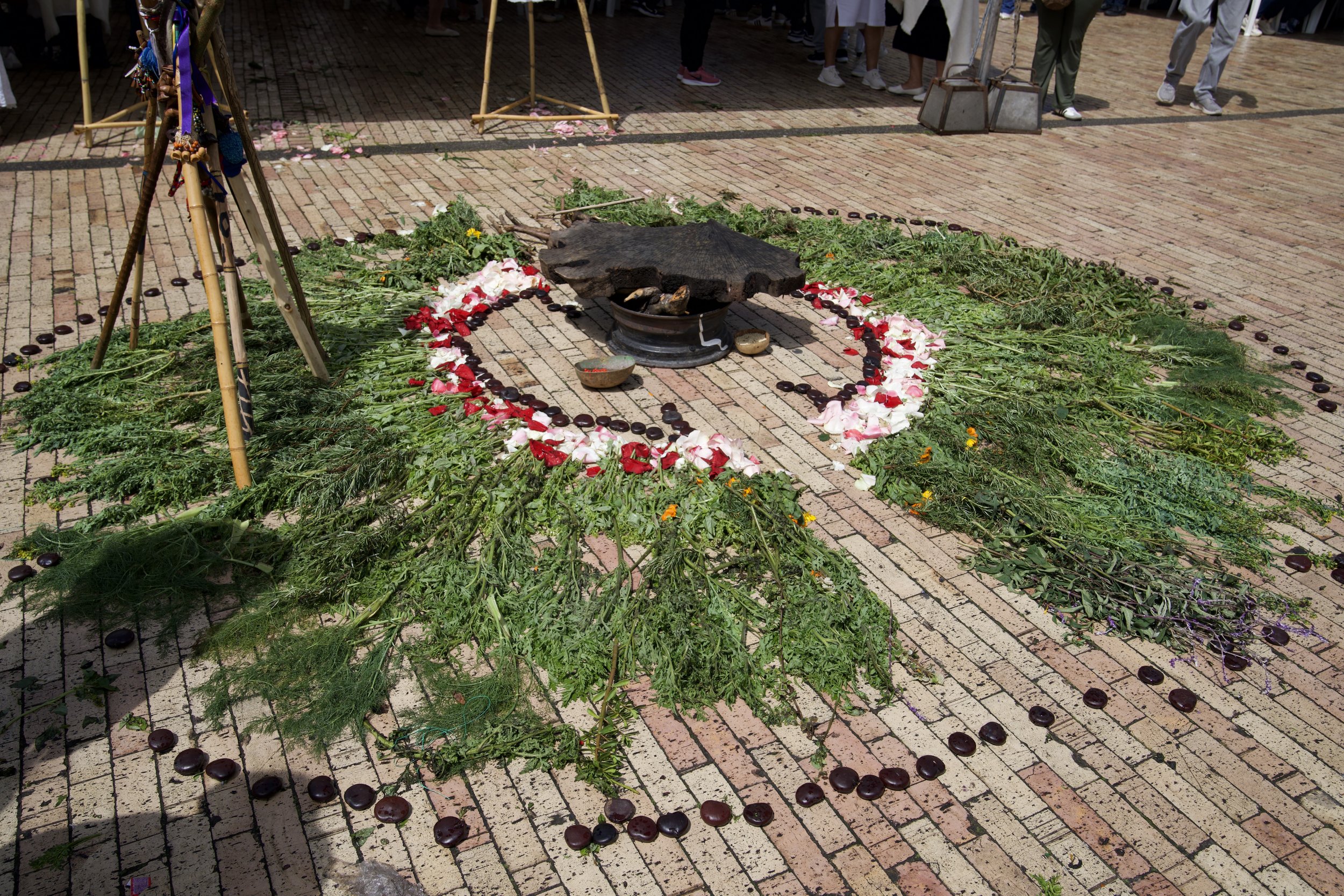
In the urbanized landscape of Suba, Bogotá, the Muysca people are rekindling a relationship that refuses to be erased—one rooted in memory, land, and the living presence of their plant relatives. Once demonized and forced into secrecy by colonial rule, sacred medicines such as tobacco, coca, ambira, hosca, rapé, and tyhyquy now reemerge as companions in a collective resurgence. This research project unfolds through a collaborative research process grounded in Participatory Action Research (PAR), in which community members, elders, and researchers work side by side to document and analyze the ongoing role of Muysca plant medicine in an urban context. Through interviews, shared learning, and a Sacred Medicine Photovoice project conducted with the community’s communication group—now hosted as an exhibit at the CSWR during Fall 2025—the research becomes a co-created narrative, one shaped not from the outside but from within the lived Muysca experience.
The revitalization of plant medicine appears through intimate gestures as much as through public acts of reclamation. Elders describe the return of sacred plants not as the recovery of something lost but as the unveiling of knowledge that survived in quiet corners of the home, preserved in the memories and everyday practices of grandmothers. At the Santuario mountain, reclaimed by the community in 2018, the Muysca have built ceremonial spaces, planted gardens, and held rituals that bind new generations to the land, such as placenta-burial ceremonies or the preparation of mambe to awaken ancestral wisdom. In interviews, Zaitas discuss how each encounter with tobacco, coca, or tyhyquy is guided by protocols of respect—asking permission, speaking to the plants, and recognizing them as sentient beings whose agency shapes healing, knowledge, and communal decision-making.
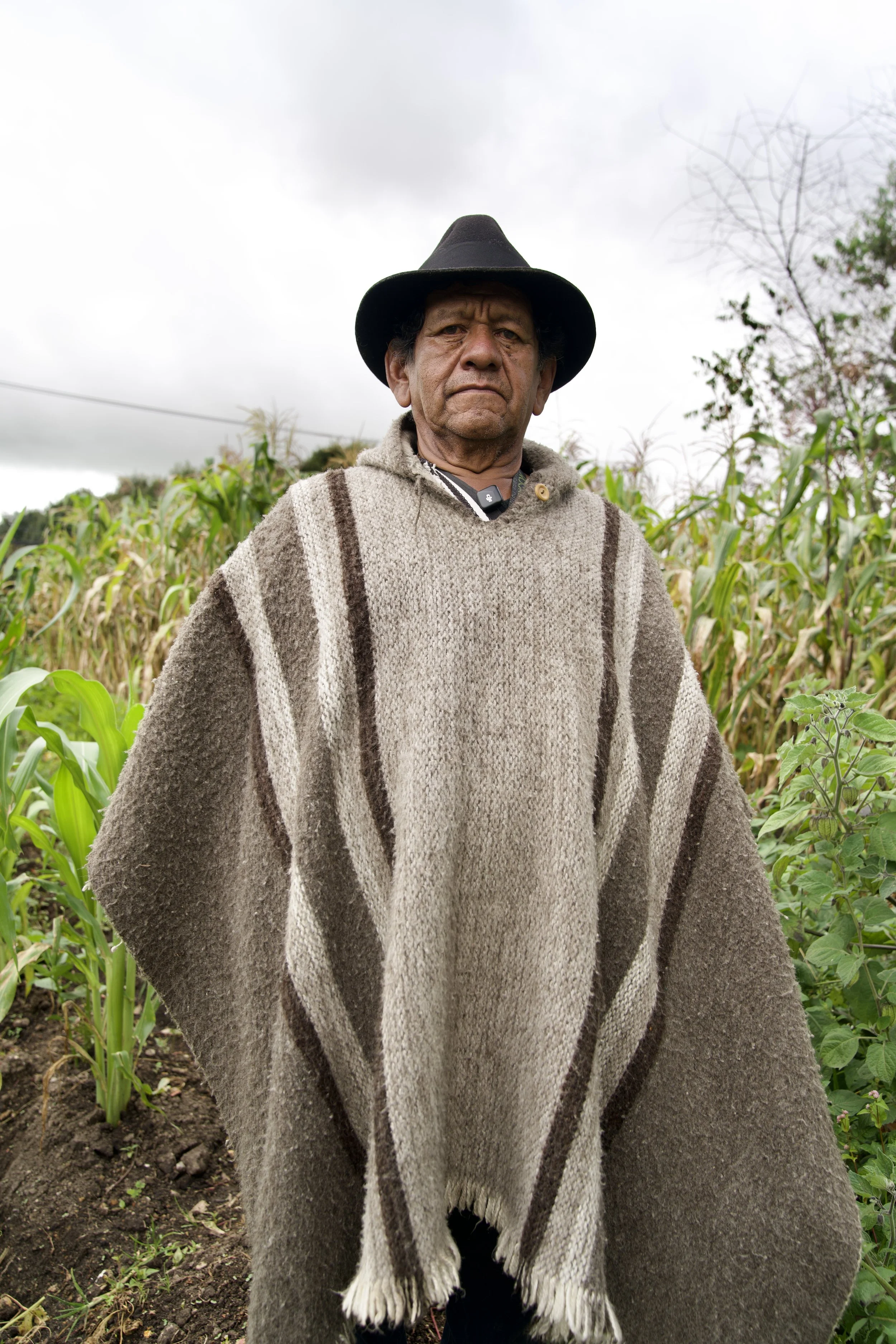
These practices extend far beyond health traditions; they form the foundation of an embodied ethics of land care that challenges the colonial logics embedded in Bogotá’s rapid urbanization. By treating plants as relatives rather than as “psychedelics” or commodities, the Muysca offer a perspective that resists extractive narratives and protects the cultural and spiritual integrity of their knowledge. The project's methodology—collaborative, visual, and grounded in Indigenous epistemologies—reveals how body, land, and plant beings remain inseparable, even within the constraints of the modern city. Through language revitalization, urban agriculture, ritual practice, and the defense of sacred sites, the Muysca not only reaffirm their presence in Colombia’s capital but also steward threatened ecosystems and offer a model of relational care that confronts the enduring structures of urban coloniality.
In addition to this living archive, the project has generated collaborative conference presentations, including a publicly available recorded talk for the Psychedelic Intersections Conference at Harvard Divinity School, as well as the current Photovoice exhibit hosted at the Center for the Study of World Religions in Cambridge, Massachusetts. The exhibit is also accessible through both the project website and the CSWR website, where the digital display “Sacred Plants: Muysca Words and Photos from Community Members” is featured.
This research was made possible through the support and funding of the Center for the Study of World Religions and the Mahindra Center for the Humanities at Harvard University, with additional fieldwork funding provided by the Source Research Foundation.